I can’t thank the perth equine team enough for the incredible service they provided. After being told by my own vet that my horse had a very loud heart murmur and a high heart rate, he advised it may be worthwhile getting a specialist in to double check with the specific equiptment required. I was extremely stressed. I couldnt find anyone locally who had the expertise and portable equipment or that was willing to travel out to see him.
Then I found this practice, and despite not being a registered client and being quite far away from them in the borders, they were more than happy to help and arranged to visit my horse all the way from Perth. They made him a priority and were able to see him within just 3 days, which was such a relief during a very worrying time.
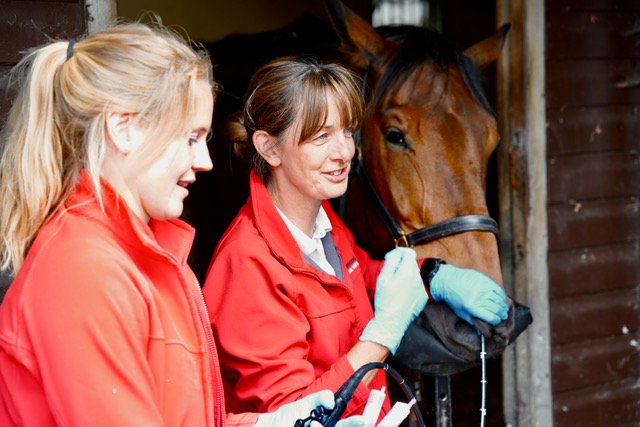
Anna, the specialist who attended, was absolutely wonderful. She arrived on time, instantly reassured me, and took her time to calm my boy’s nerves. She spoke to him gently throughout the whole examination, which made a huge difference to how relaxed he was. Her knowledge, professionalism and genuine caring manner were exceptional.
The entire experience from start to finish was excellent, and the price quoted was really good value for such a high level of specialised care. I’m so grateful for the kindness and expertise shown to both me and my horse.
I would highly recommend this team to anyone needing specialist equine cardiology services, truly outstanding care! If you want exceptional knowledge and care for your horse you will not go wrong with this team as your vets! Thankyou from my family to everyone in the Perth Equine family.




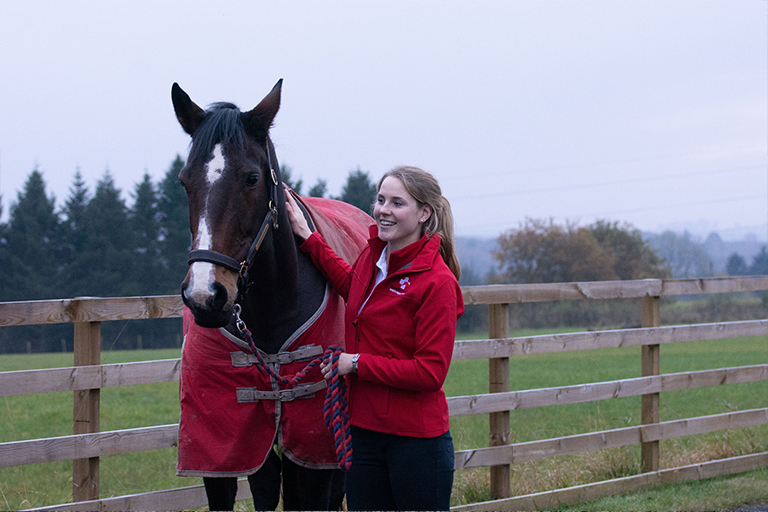
🐴❤️ Perth Equine Vets – Proudly Independent!
At Perth Equine Vets, we’re proud to be an independent equine veterinary practice. 🌿
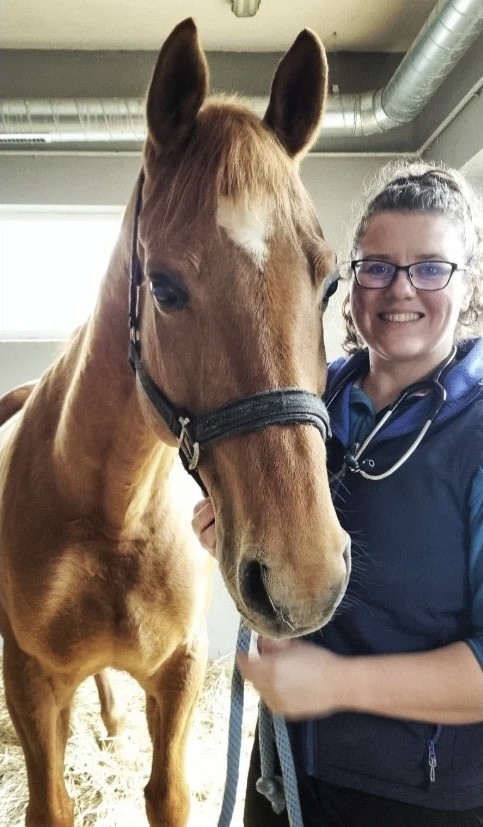
That means no big corporate organisation behind us, just Camilla and Anna, our owners, who lead our wonderful team and are passionate about providing personal, dedicated care for every horse, pony, donkey and mule we meet. 🐎
For us, there’s nothing better than getting out and about, visiting our lovely patients and working together as a team to give them the very best care. ❤️
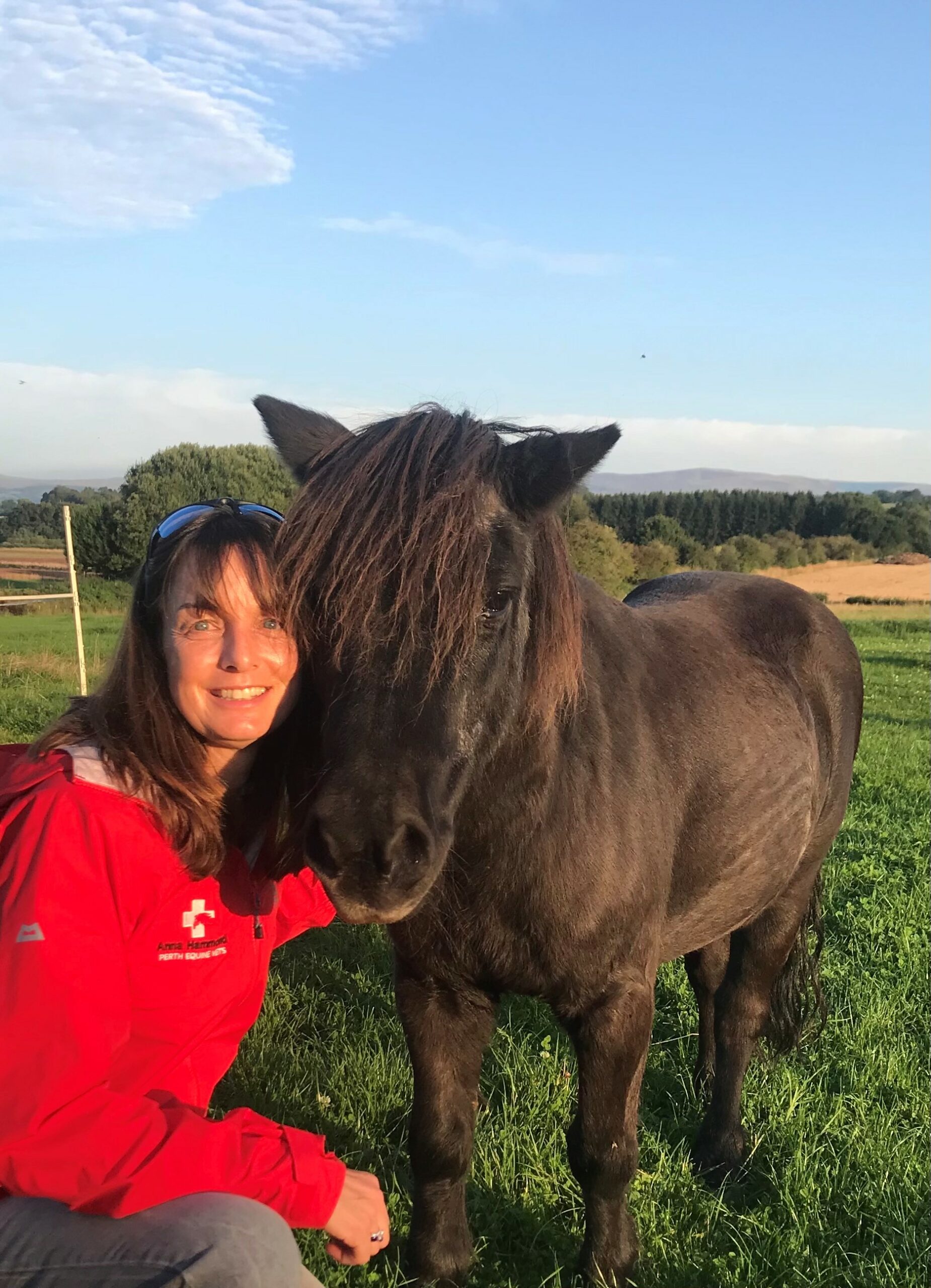
📸 Anna enjoying some well-deserved snuggles with the gorgeous Pickles, the mini Shetland, and Camilla catching up with the handsome Milton the Mule after he was such a good boy for his vaccinations! 🥰
It’s patients like these, and the fantastic team behind us, that make our job so special!
#PerthEquineVets #ProudlyIndependent #EquineVets #HorseCare #ShetlandPony #MuleLove 🐴❤️ ... See MoreSee Less
3 CommentsComment on Facebook
🍂 COLIC SEASON IS HERE – LET’S HELP KEEP YOUR HORSE COMFORTABLE! 🐴
Sadly, we’re seeing an increase in colic cases at the moment. As we move from summer into autumn and the weather changes, it’s a good time to think about how we can help reduce the risk of colic in our horses.
💧 Why does colder weather increase the risk?
Impaction colic occurs when feed material builds up and creates a blockage in the gut, often in a naturally narrow bend of the large colon.
Several factors can contribute during colder weather:
❄️ Horses may drink less when water is very cold or frozen.
🏠 More time stabled can mean less movement.
🌾 Reduced access to fresh grass and a greater reliance on drier hay can mean less moisture in the diet.
Together, these changes can slow gut movement and increase the risk of an impaction.
❤️ A few simple steps can make a difference:
✅ Check water buckets and troughs regularly, breaking any ice.
✅ Offer slightly warmed water to encourage drinking.
✅ Soak hay or offer a sloppy mash to increase moisture intake.
✅ Keep your horse moving with turnout or in-hand exercise where possible.
🚨 Know the signs: Reduced droppings, dullness, pawing, looking at the flanks or ongoing discomfort can all be signs of colic.
If you notice any signs of colic, contact Perth Equine Vets promptly for advice. Even mild signs can become serious, so please don’t wait and see.
A little extra care during the colder months can go a long way towards keeping your horse happy and healthy. ❤️🐴
#PerthEquineVets #EquineHealth #ColicAwareness #HorseCare #WinterHorseCare
www.perthequinevets.com ... See MoreSee Less
0 CommentsComment on Facebook
Tetanus Vaccinations 💉
Remember that all horses should be vaccinated for tetanus - whether they leave the field or not.
This is an often fatal disease that can be prevented by a vaccine course.
The vaccine schedule is as follows:
4 weeks apart for the first two vaccines, then one vaccine at 12 months, then every 24 months.
We do recommend all horses are vaccinated for flu too as this is spread in the air droplets. For horses leaving the property lots we recommend vaccinating every 6 months as there is evidence to say that immunity dips after 6 months - and we don’t want you to get caught out with the “6 month rule”.
📞 01738259427 for a chat about vaccines if you’re unsure!
www.perthequinevets.com/vaccinations/ ... See MoreSee Less
0 CommentsComment on Facebook
Hot and cold, snow and rain. 🥵 🥶 ❄️ ☔️
It’s a lot for us to deal with, and also our horses too.
Not only is rugging so tricky to deal with, but muddy fields may mean that you’re having to deal with mud fever too.
Mud fever is a bucket term which can have so many causes, and it’s important to work out what your horse is reacting to.
Some horses get scabby when their legs have had the mud washed off, others react when the mud has been left to dry then brushed off.
Sometimes we recommend shampoos, other times, creams, and sometimes even systemic medications.
It can be very frustrating to deal with - and we are always happy to offer advice. Snap a photo, and one of our equine vets will have a look and make recommendations
☎️ 01738259427
📧 info@perthequinevets.com ... See MoreSee Less
0 CommentsComment on Facebook
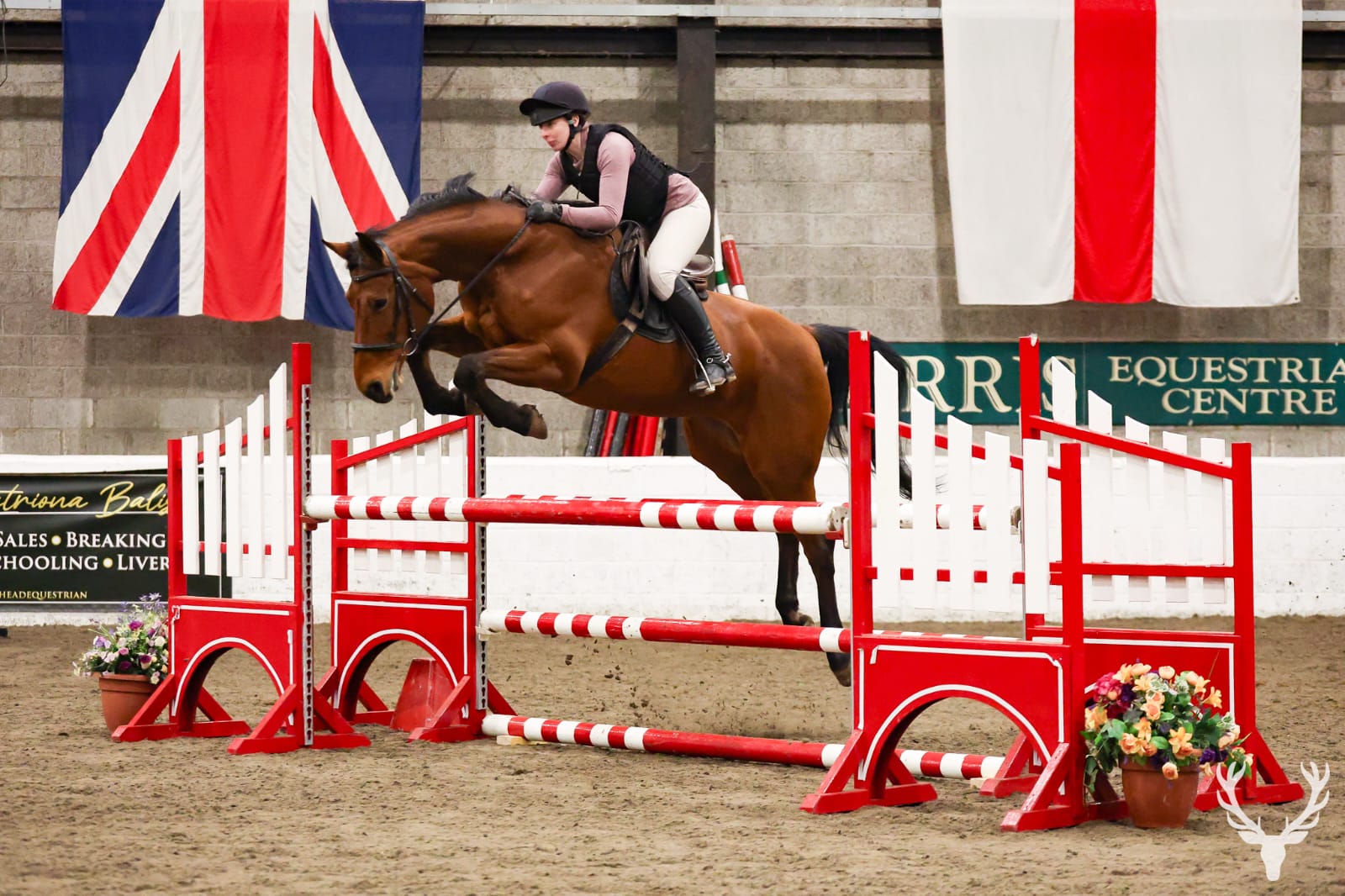
Another honest but lovely update from our sponsored rider Kirsty about the end of her season with Lili. 🐴♥️
www.perthequinevets.com ... See MoreSee Less
0 CommentsComment on Facebook
🐴 A little reminder for our clients 🐴
If your horse has recently moved yards or location, please let us know so we can update their records with their new address. 🏡
It's really helpful for us to have the correct yard/location details on file - not only so our records are up to date but also so that when you call us out or book an appointment, we know exactly where to go. This saves vital time in an emergency. 🚗🐎
Even if you are only moving temporarily, please give us a quick call or message to let us know.
Thank you for helping us keep our records accurate and making sure we can get to your horse as quickly and smoothly as possible when they need us. 💕
PEV Team 🐴
www.perthequinevets.com ... See MoreSee Less
0 CommentsComment on Facebook